
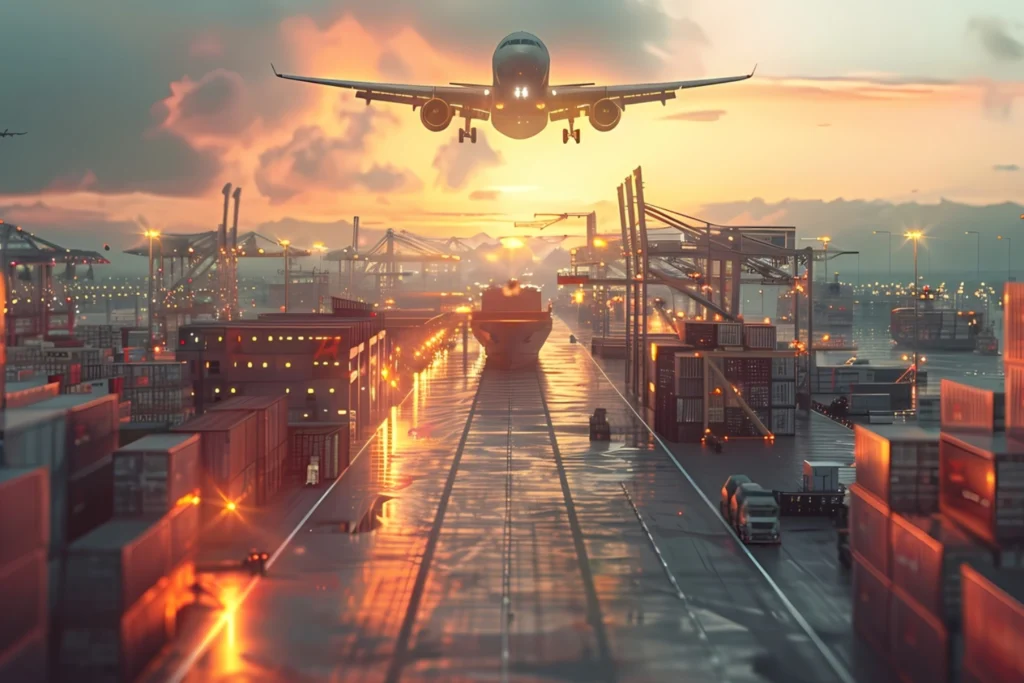

Air Freighter Operations: Enabling Speed and Reliability in Global Logistics
In a world where delivery speed can define customer satisfaction, the air freighter plays a critical role in global logistics. Designed exclusively for cargo transport, air freighters move high-value, time-sensitive goods across continents in hours rather than weeks. For logistics providers and freight forwarders, understanding how air freighters fit into modern supply chains is essential for efficient planning and cost control.
What Is an Air Freighter?
An air freighter is a cargo-only aircraft built to transport goods instead of passengers. Unlike passenger planes that carry limited belly cargo, air freighters offer dedicated space, higher payload capacity, and optimized loading systems for a wide range of cargo types.
Air freighters are commonly used for electronics, pharmaceuticals, perishables, and emergency shipments where speed and reliability are paramount.
Why Air Freighters Matter in Time-Critical Shipping
The primary advantage of an air freighter is speed. Long-distance routes that take weeks by sea can be completed in a matter of days. This makes air freight an ideal option when supply chain disruptions, production delays, or urgent customer demand arise.
For freight forwarders, air freighters provide:
- Predictable transit times
- Global airport connectivity
- Reduced inventory holding costs
- Enhanced shipment security
These benefits help businesses meet tight delivery deadlines without compromising reliability.
Cost and Capacity Considerations
While air freighters offer unmatched speed, they come at a higher cost compared to ocean freight. Pricing is influenced by cargo weight, volume, fuel surcharges, and route availability. Freight forwarders must carefully balance urgency against cost when recommending air freighter solutions to clients.
Accurate rate management and data visibility are crucial to making informed decisions in air freight planning.
Digital Tools Supporting Air Freight Operations
Managing air freight efficiently requires access to real-time data and streamlined workflows. Platforms like FREIGHTOSCOPE help logistics teams manage air freight rates, analyze cost trends, and improve quote accuracy across multiple carriers.
By centralizing freight data, FREIGHTOSCOPE enables forwarders to plan air freighter shipments more effectively while maintaining pricing transparency and operational control.
The Role of Air Freighters in a Multimodal Strategy
Air freighters are often part of a broader multimodal logistics strategy. Businesses may combine air freight with road or sea transport to optimize speed and cost. Strategic use of air freighters allows supply chains to remain flexible during peak seasons or unexpected disruptions.
The Future of Air Freighters
As global commerce evolves, air freighters are becoming more fuel-efficient and technologically advanced. Airlines are investing in newer aircraft, sustainable aviation fuels, and optimized routing to reduce environmental impact while maintaining speed.
For freight forwarders, leveraging modern air freighter networks alongside digital platforms like FREIGHTOSCOPE will be key to delivering agile and resilient logistics solutions.
Conclusion
The air freighter remains an essential component of modern logistics, offering unmatched speed and reliability for time-sensitive cargo. With the support of digital solutions such as FREIGHTOSCOPE, logistics providers can manage air freighter operations more efficiently, improve cost visibility, and meet the growing demands of global trade.