
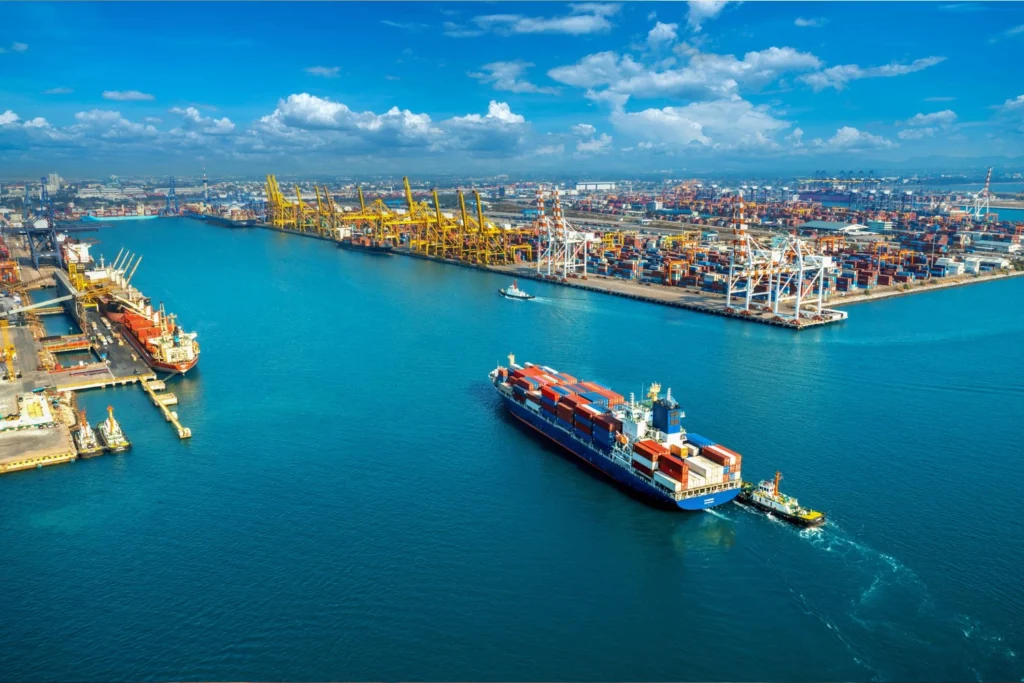

How Cargo Freight Forwarders Strengthen Global Supply Chains
Global trade depends on precise coordination, regulatory expertise, and reliable transportation networks. At the center of this complex system are cargo freight forwarders, who manage the movement of goods across borders and transport modes. As international shipping grows more dynamic, freight forwarders continue to play a vital role in keeping supply chains efficient and resilient.
What Do Cargo Freight Forwarders Do?
Cargo freight forwarders act as intermediaries between shippers and transportation providers. They organize the shipment of goods by air, sea, rail, or road, ensuring cargo reaches its destination safely and on time.
Unlike carriers, freight forwarders typically do not own transport assets. Instead, they leverage their global networks and logistics expertise to coordinate:
- Carrier selection and booking
- Documentation and compliance
- Customs clearance procedures
- Route optimization
- Cargo insurance arrangements
By handling these responsibilities, cargo freight forwarders simplify international trade for businesses of all sizes.
Why Freight Forwarders Are Essential in International Shipping
International logistics involves complex documentation, customs regulations, tariffs, and multi-modal coordination. Freight forwarders reduce these complexities by serving as a single point of contact throughout the shipping process.
Businesses rely on freight forwarders for:
- Expertise in global trade regulations
- Access to multiple carrier options
- Competitive freight rate negotiation
- Reduced risk of delays and compliance issues
- Real-time shipment coordination
This support enables companies to focus on their core operations while logistics professionals manage transportation challenges.
The Benefits of Working with Cargo Freight Forwarders
Partnering with experienced cargo freight forwarders offers several operational advantages:
- Cost Optimization
Freight forwarders analyze routes and carriers to recommend cost-effective shipping solutions. - Time Efficiency
With established carrier relationships, freight forwarders can secure capacity quickly, especially during peak seasons. - Risk Management
By ensuring proper documentation and compliance, freight forwarders help avoid costly delays or penalties. - Multimodal Expertise
Freight forwarders coordinate air, ocean, and land transport to create seamless shipping solutions.
Technology and the Future of Freight Forwarding
Digital transformation is reshaping how cargo freight forwarders operate. Automation, shipment tracking systems, and data-driven pricing tools are helping freight forwarders deliver faster quotes and greater visibility.
As global trade becomes more competitive, freight forwarders that adopt digital tools and data analytics will be better positioned to meet customer expectations for transparency and efficiency.
Choosing the Right Freight Forwarder
When selecting cargo freight forwarders, businesses should evaluate:
- Industry experience and specialization
- Network strength and carrier partnerships
- Communication and responsiveness
- Technology capabilities
- Compliance and regulatory knowledge
A reliable freight forwarding partner ensures smooth cargo movement and long-term supply chain stability.
Conclusion
Cargo freight forwarders are a cornerstone of modern logistics, connecting businesses to global markets through coordinated, compliant, and cost-effective transportation solutions. As supply chains continue to evolve, freight forwarders will remain essential in helping companies navigate complexity and maintain competitive advantage.
Conclusion
The air freighter remains an essential component of modern logistics, offering unmatched speed and reliability for time-sensitive cargo. With the support of digital solutions such as FREIGHTOSCOPE, logistics providers can manage air freighter operations more efficiently, improve cost visibility, and meet the growing demands of global trade.