
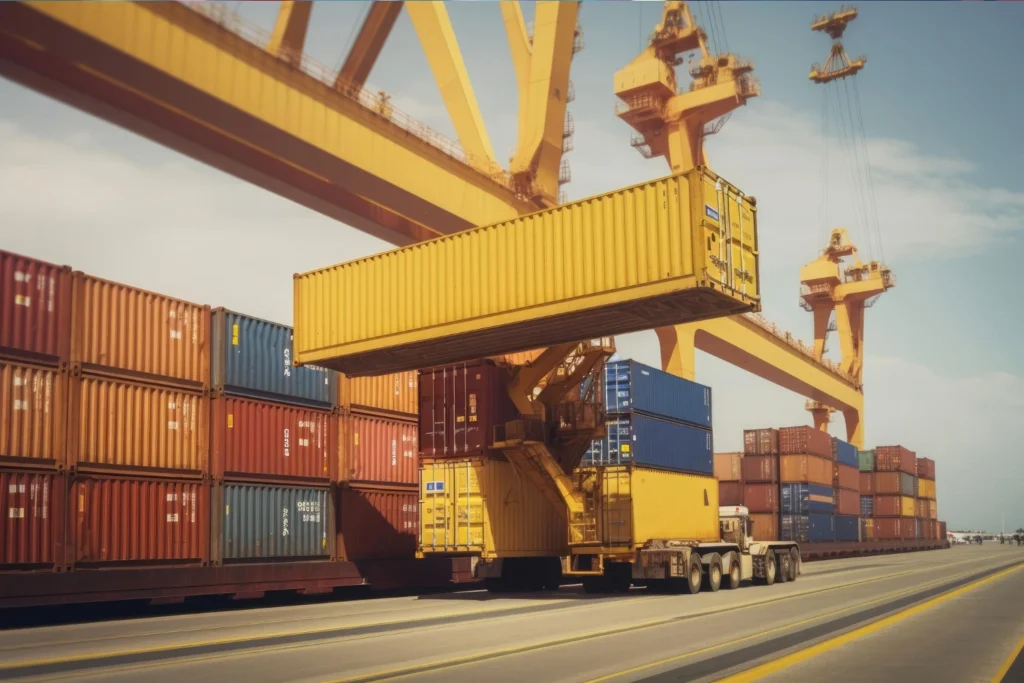

The Evolving Role of a Freight Broker in a Digital-First Logistics Industry
Global logistics has become more complex than ever, with rising customer expectations, fluctuating freight rates, and tighter delivery timelines. In this environment, the freight broker plays a vital role in keeping supply chains efficient by connecting shippers with the right carriers at the right time.
As technology reshapes logistics operations, freight brokers are also adopting smarter digital tools to remain competitive and transparent.
What Does a Freight Broker Do?
A freight broker is a licensed intermediary that arranges transportation between shippers and carriers. Rather than owning transportation assets, freight brokers leverage their carrier networks and market expertise to secure capacity, negotiate rates, and manage shipment coordination.
By acting as a single point of contact, a freight broker reduces operational complexity for businesses that ship goods frequently or across multiple regions.
Why Freight Brokers Are Essential in Modern Logistics
Market volatility and capacity constraints make freight planning challenging. Freight brokers help businesses adapt by offering flexibility and access to a broad carrier ecosystem.
Key advantages include:
- Faster carrier sourcing during peak seasons
- Competitive pricing through market insights
- Reduced administrative workload for shippers
- Improved shipment reliability and communication
These benefits position freight brokers as strategic partners rather than simple intermediaries.
Technology Is Transforming the Freight Broker Model
Today’s freight broker relies heavily on digital platforms for quoting, tracking, and cost visibility. Automation and real-time data allow brokers to respond faster and make informed decisions.
Solutions like FREIGHTOSCOPE support this shift by enabling better freight rate management, centralized data visibility, and streamlined workflows. With access to structured freight data, brokers can focus more on service quality and customer relationships.
Freight Broker vs. Freight Forwarder
While both roles coordinate freight movement, freight brokers typically focus on domestic or regional transportation, whereas freight forwarders manage international shipments and documentation. In practice, many logistics providers blend both models to offer end-to-end services.
Digital freight platforms help bridge this gap by giving brokers and forwarders a unified view of pricing, routing, and shipment performance.
Choosing the Right Freight Broker
When selecting a freight broker, businesses should consider:
- Network strength and carrier reliability
- Transparency in pricing and communication
- Use of modern logistics technology
- Experience in specific industries or routes
A technology-enabled freight broker is better equipped to deliver consistent service and scalable solutions.
The Future of Freight Brokerage
As supply chains become more data-driven, the role of the freight broker will continue to evolve. Brokers who adopt platforms like FREIGHTOSCOPE and embrace automation will gain a competitive edge by offering faster quotes, improved visibility, and more accurate cost management.
Conclusion
The freight broker remains a critical link in the logistics ecosystem, helping businesses navigate complexity, control costs, and move goods efficiently. With digital solutions such as FREIGHTOSCOPE, freight brokers can modernize their operations and deliver greater value in an increasingly competitive logistics landscape.