
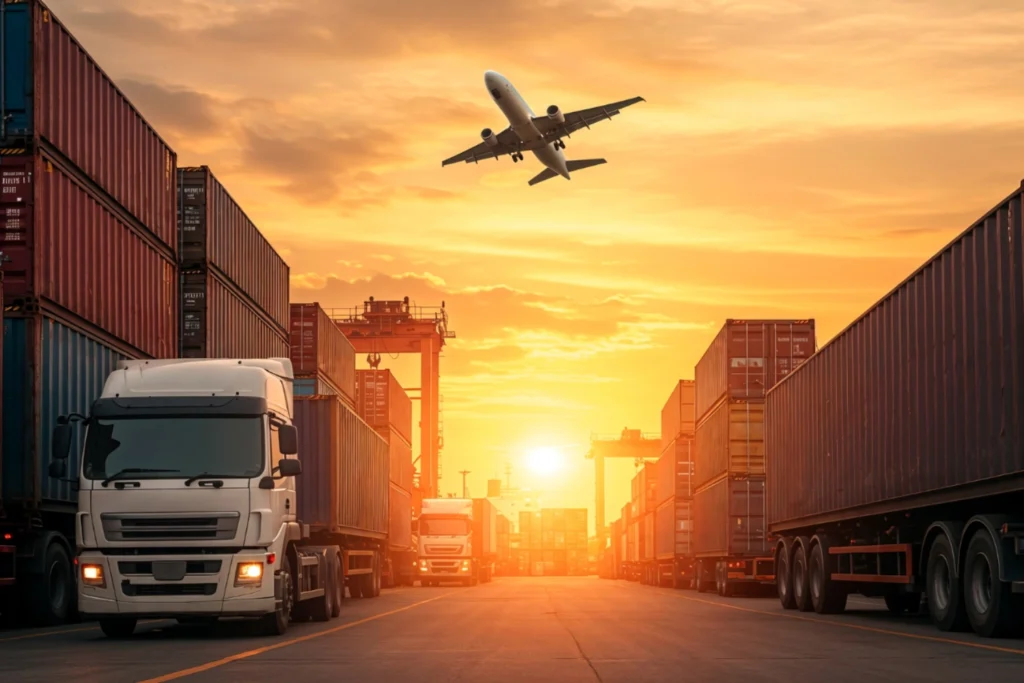

The Role of a Freight Shipper in Modern Supply Chain Management
Efficient transportation is the backbone of global trade, and at the center of every shipment is the freight shipper. Whether moving goods domestically or internationally, freight shippers play a critical role in initiating and coordinating the transportation process. As supply chains become more complex and data-driven, understanding the responsibilities and expectations of a freight shipper is essential for logistics providers and forwarders alike.
Who Is a Freight Shipper?
A freight shipper is an individual or business responsible for arranging the transportation of goods from one location to another. The freight shipper may be a manufacturer, wholesaler, distributor, or retailer that needs products delivered to customers, warehouses, or retail outlets.
The shipper typically provides key shipment details, including:
- Cargo type and classification
- Weight and dimensions
- Pickup and delivery locations
- Required transit time
- Special handling instructions
Accurate information from the freight shipper ensures smoother coordination across the logistics chain.
Responsibilities of a Freight Shipper
A freight shipper’s responsibilities go beyond simply sending goods. They must ensure compliance, documentation accuracy, and proper packaging. Core responsibilities include:
- Preparing shipping documentation
- Packaging goods safely and securely
- Declaring accurate cargo details
- Coordinating with carriers or freight forwarders
- Managing delivery schedules
By fulfilling these tasks properly, freight shippers help prevent delays, disputes, and additional costs.
Freight Shipper for Forwarders: Why the Relationship Matters
For logistics providers, understanding the needs of a freight shipper for forwarders is essential. Forwarders rely on precise shipment data from the shipper to secure accurate rates, plan routes, and ensure regulatory compliance.
A strong collaboration between freight shipper and forwarder offers several benefits:
- Improved cost transparency
- Faster quote generation
- Reduced risk of reclassification fees
- More predictable transit times
- Better communication throughout the shipment lifecycle
When forwarders and freight shippers work closely together, operational efficiency increases significantly.
Common Challenges Freight Shippers Face
Modern freight shippers operate in a dynamic logistics environment. Some common challenges include:
- Fluctuating freight rates
- Capacity shortages during peak seasons
- Customs and regulatory complexities
- Inaccurate shipment classification
- Limited real-time visibility
To overcome these challenges, many freight shippers partner with experienced freight forwarders who provide expertise and carrier access.
Technology’s Impact on Freight Shipping
Digital transformation is reshaping how freight shippers manage transportation. Automated documentation systems, shipment tracking platforms, and data-driven cost analysis tools are helping improve efficiency and reduce errors.
For forwarders, integrating digital tools makes it easier to serve each freight shipper with accurate quotes, optimized routes, and improved communication. Technology enhances transparency, which strengthens long-term business relationships.
Choosing the Right Logistics Partner as a Freight Shipper
When selecting a forwarder or carrier, freight shippers should evaluate:
- Industry experience
- Carrier network strength
- Technology capabilities
- Pricing transparency
- Customer support responsiveness
A reliable logistics partner ensures that goods move efficiently while minimizing operational risks.
Conclusion
The freight shipper plays a foundational role in supply chain operations. From preparing cargo details to coordinating transportation, their responsibilities directly impact shipment success. For logistics providers, understanding the needs of a freight shipper for forwarders is key to building efficient, transparent, and resilient freight operations in today’s competitive marketplace.